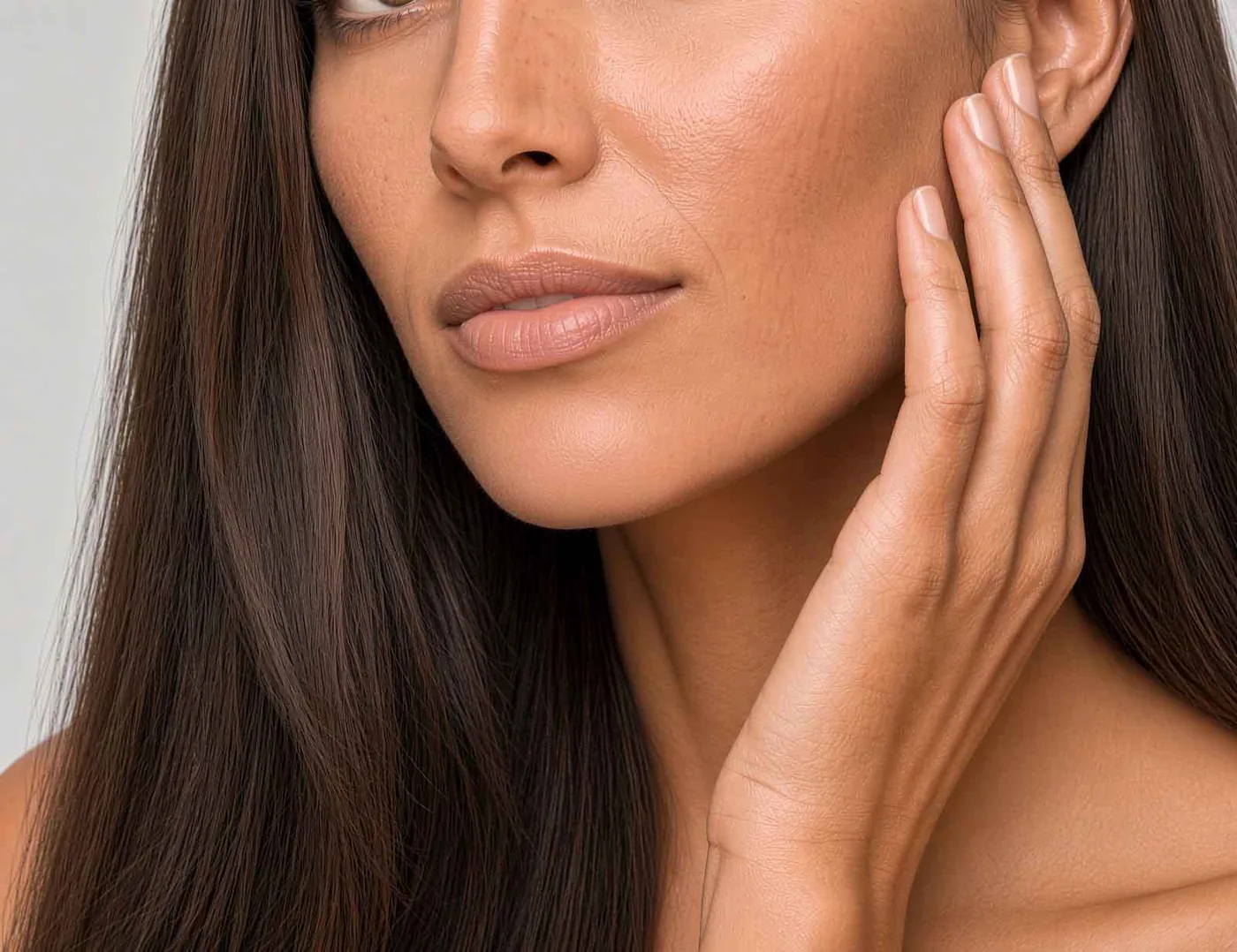
The treatment uses very fine needles to create controlled micro-injuries in the skin, which prompts a healing response and can improve the way the surface looks and feels over a course of sessions.
This page is a practical guide to microneedling for texture and scars at Cosmetic Surgery Ottawa. It is not a brand-name page. The old Dermapen address now points here, so you reach a current treatment guide rather than a retired device name. It also does not replace the broader skin rejuvenation without surgery map, or the laser skin resurfacing guide, which are the places to start if you are still choosing among surface treatments.
Appointments are at 895 March Road, Kanata. Call 613-591-1093 or use the form below.
What microneedling can help
Microneedling is most often discussed for:
- Rough or uneven texture
- Certain acne scars or other shallow scars
- Fine creasing, when the issue is the surface of the skin rather than a dropped brow or jawline
- A general loss of smoothness that has not responded to creams alone
It is a genuine offering, and it has a ceiling. It will not lift a heavy neck or a dropped midface. It will not copy a facelift, and it will not remove a pigmented lesion the way a Freeze Pen plan might, or reduce a pocket of fat. If those are the real problems, you will be pointed to the right guide rather than sold a course that cannot do the job.
Results come in steps. A single session can help; a short course is often the more realistic plan. That is decided at the visit, looking at your skin.
What a session is like
The skin is cleaned, and a topical anesthetic is commonly used so the treatment is more comfortable. A handheld device with fine needles is then passed over the agreed area. A soothing product and sun protection are typically part of the end of the visit. This page does not name a specific device brand; if a model name is to be published, that wording can be added once the clinic confirms it.
You can expect redness and a feeling like a mild sunburn afterwards, and the surface can feel dry or rough while it settles. Those effects usually ease over a few days, but the exact course depends on the intensity of the plan and on your skin. You will be given written aftercare, including advice about sun, makeup, exercise, and what not to apply in the first period. Follow those instructions rather than a generic list.
Judge the result after the skin has settled, and at the end of an agreed course, not in the mirror on the evening of the first session.
How it sits with other treatments
Microneedling is one option inside a skin-quality plan. A chemical peel, listed at $100 – $200 for a lighter peel, or laser resurfacing, may be a better first step for some concerns, or a complement at a different time. Venus Freeze may be discussed when mild laxity, rather than texture, is the main issue. Botox and fillers address lines of expression and volume; they are not a substitute for microneedling, and they should not all be stacked on the same afternoon without a plan.
Please mention recent filler, recent surgery, prescription creams (including retinoids), cold sores, and any medicines when you book. Timing between treatments matters. If you are pregnant or trying to conceive, say so.
Talk it through with Dr. Lacey
A consultation is a conversation, not a commitment. You will leave with an honest opinion and, if surgery makes sense, a written quote.
Who may not be a candidate right now
Microneedling may be postponed or declined if the skin is infected or irritated, if you have a condition or a medicine that makes needling unwise, if you have a fresh tan or cannot protect the area from the sun, or if the concern is clearly not a texture or scar problem. A more cautious first session, or a different tool, is sometimes the honest start. That is not a slight; it is how a plan stays safe.
If the issue is hanging skin after weight loss or pregnancy, start with the surgical guides rather than hoping a course of needling will tighten a drape.
Cost
Microneedling is listed at $350 – $800 per session. The figure depends on the area and the intensity of the plan. You will be given a clear price before you start, including if a course is recommended. Beautifi financing is available for eligible treatment plans, with terms of six months to six years. See financing. This treatment is private-pay.
The visit
You do not need to name a device, or to arrive asking for a particular brand, in order to book. Describe the texture or the scars that bother you. The skin will be examined, and you should leave knowing whether microneedling, another surface treatment, or a different kind of visit is the right next step.
The public name of this practice is Cosmetic Surgery Ottawa. There is free parking at 895 March Road, Kanata, the same address as the private surgical facility. If an operation would be more honest, you will be directed toward a consultation with Dr. James Lacey, Royal College certified (FRCSC), the only surgeon at this practice. Call 613-591-1093 or use the form below.
A practical way to prepare, and how to look after the skin afterwards
Once a plan is agreed, you will be told what to stop using beforehand — often strong acids, retinoids or other active creams, and sometimes certain hair-removal methods in the area. Do not start a new self-tanner or a new sun routine in the days before you come. If you get cold sores and the face is being treated, mention it; you may be given advice about that before the session.
Afterwards, sun protection is not optional. Makeup, exercise, swimming and heat are usually limited for a short period set out in your instructions. Do not pick at flaking skin. If the area looks infected, is increasingly painful, or otherwise unlike what you were told to expect, call 613-591-1093.
A course only works if visits are spaced as planned. If you have a wedding, a holiday or a season of outdoor work in the diary, say so at the start, so intensity and timing can be honest. A more cautious first session is sometimes wise; it is not a lesser treatment, and it can be the safer way to learn how your skin behaves.
What “improvement” usually means
For texture, improvement often means a smoother feel and a quieter look in ordinary light, not a poreless surface. For scars, it often means a softening rather than an erasure. Deep, wide, or tethered scars may need a different or a combined plan, or may only change a little. That honesty should be part of the first visit, not a surprise at the end of a course.
Photographs, if they are later used on this site, should be unique to the page under the photo design plan and should not be read as a promise that your scars will match someone else’s.
Call 613-591-1093 or use the form on this page to book. You do not need a finished plan, or a brand name, before you arrive. A clear description of the texture or the scars that bother you is enough to start, and the visit is the place to decide whether microneedling is the right tool.
Questions
Frequently asked questions
Is this the same as the old Dermapen page?
The old Dermapen brand-name address now points here. This is a current microneedling guide, not a page built around a retired brand name.
Can microneedling replace a facelift or laser resurfacing?
No. It can help texture and certain scars. It cannot lift descended tissue, and it is not automatically the same as a laser plan.
How much does microneedling cost?
It is listed at $350 – $800 per session. You will receive a figure for your plan before you start.
How much downtime should I expect?
Redness and a sunburn-like feeling are common for a few days, depending on intensity. Your written aftercare sets out the details.
Where do appointments take place?
At 895 March Road, Kanata.
Will microneedling erase my scars?
It can soften certain scars. It does not erase every scar, and deep or tethered scars may need a different plan. The first visit should be clear about that.