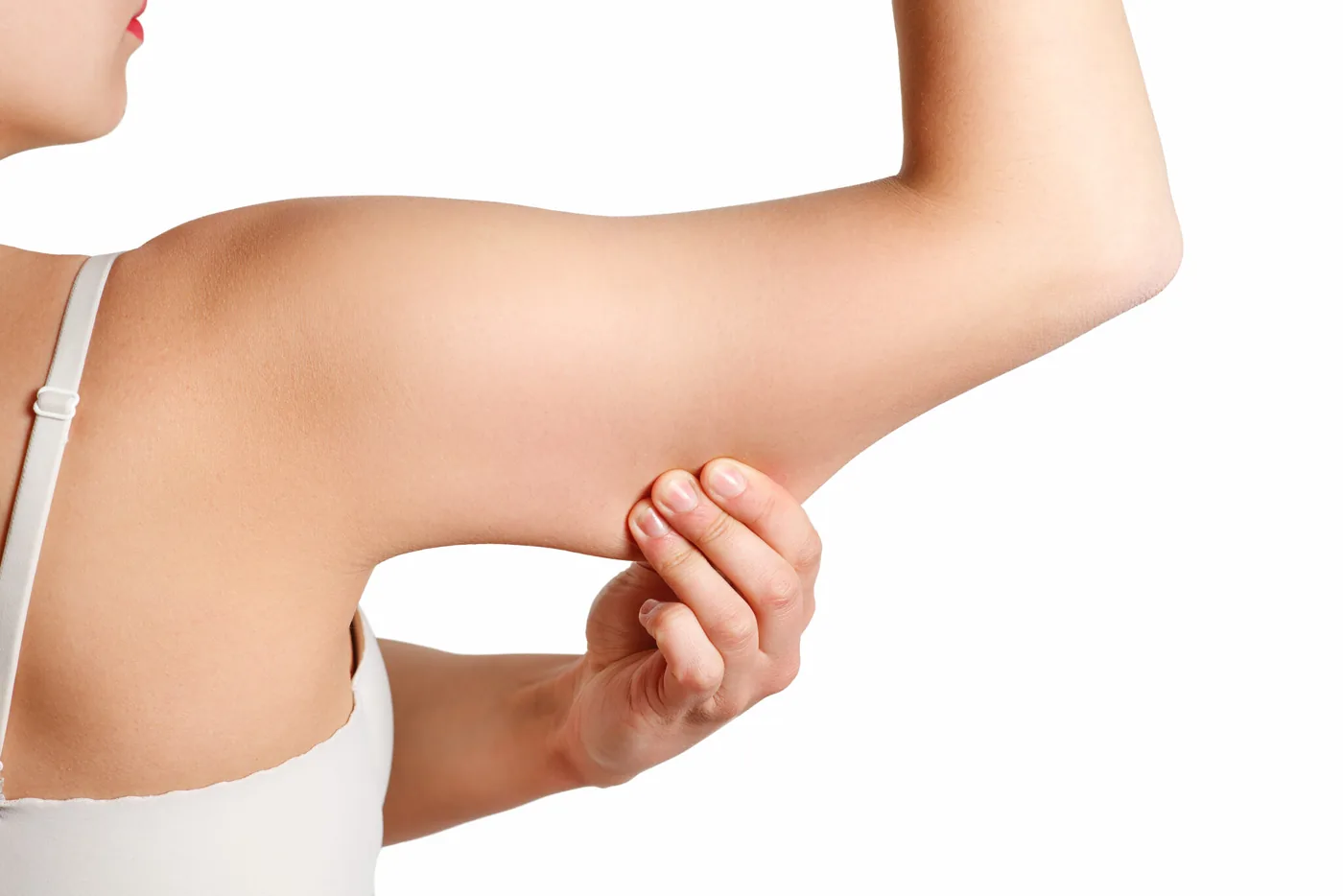
Whether the weight came off after a change in diet and exercise, bariatric surgery, or a GLP-1 medicine such as Ozempic, Wegovy or Mounjaro, the skin does not always shrink to match the smaller shape underneath.
This guide is for people in that situation who are starting to ask about surgery. It explains which operations are commonly used after major weight loss, where a non-surgical treatment may still help, how procedures are often staged, and what to mention at your consultation if you take a GLP-1 medicine. It is not a substitute for an examination with Dr. James Lacey, a plastic surgeon who is Royal College certified (FRCSC). Only he can tell you what is realistic for your body.
If you would like to talk this through in person, call 613-591-1093 or use the form at the bottom of this page.
Why skin stays loose after a large weight change
Skin is elastic, but that elasticity has limits. After years of being stretched, or after a relatively rapid change in volume, the collagen and elastin that once kept the skin close to the body may not recoil fully. The result is folds or hanging skin, most often on the abdomen, upper arms, inner thighs, breasts and flanks. In some people the neck, face or buttocks are affected as well.
Exercise can strengthen the muscle beneath, and that is worth doing. It cannot remove a sheet of extra skin. Creams and “skin-tightening” devices have a similarly modest role: they may help mild laxity, but they do not replace a surgical lift when the skin is truly redundant.
GLP-1 medicines have made this conversation more common, because more people are now reaching a weight they could not get to before. The surgical problem, though, is the same one plastic surgeons have treated for years after diet, exercise or bariatric surgery: deflated tissue and skin that no longer fits.
When surgery is worth considering — and when it is better to wait
The most useful thing you can bring to a consultation is a weight that has settled. If you are still losing quickly, the skin and the plan will keep changing, and an operation done too early can be outgrown by further loss or, just as often, by regain. Dr. Lacey will talk with you about timing. There is no prize for booking the first available date if your weight is still moving.
Good general reasons to consider body contouring include:
- Folds of skin that cause chafing, rashes or difficulty dressing
- A breast shape that has emptied or dropped after the weight change
- Loose skin on the arms or thighs that you have to pin under clothing
- A desire to see the shape you have already earned
You may be asked to wait, or to take another path first, if your weight is still changing, if a medical condition needs to be better controlled, if you smoke, or if the operation you have in mind would be safer when split into more than one stage. None of that is a judgment. It is how elective surgery is planned so that you heal well.
If you take a GLP-1 medicine, please say so when you book and again at your visit, including any compounded version. These medicines can affect how the stomach empties, which matters for anesthesia. Dr. Lacey and the anesthesia team will give you specific instructions about if and when a medicine should be paused. Please follow those instructions rather than any timeline you may have read online.
Surgical options after weight loss
Most people need a combination of procedures, not a single operation. The exact mix depends on where the loose skin sits, the quality of the remaining tissue, and how much surgery it is safe to do at one time. The descriptions below are a map, not a menu you have to order in full.
Tummy tuck (abdominoplasty)
For many patients, the abdomen is the first priority. A tummy tuck removes extra skin and fat from the middle and lower abdomen and, when the muscles have spread apart, tightens the abdominal wall. After major weight loss the incision sometimes needs to be longer than a “standard” tummy tuck, and in some people it is combined with liposuction of the flanks or hip rolls. You can read the tummy tuck guide for a fuller picture, including typical cost and recovery.
A tummy tuck is not a weight-loss operation. It reshapes tissue that is already at, or close to, a stable weight.
Liposuction
Liposuction removes localized fat, not skin. After weight loss it is often used to refine areas that still hold stubborn fat — the flanks, back, inner thighs or under the chin — alongside a lift, or on its own if your skin tone is still good. If the skin is already loose, liposuction alone can make the looseness more obvious. That is one of the reasons a comparison with a tummy tuck, or with a lift, is part of the consultation. See liposuction versus non-surgical fat reduction and the dedicated liposuction versus tummy tuck page.
Arm lift (brachioplasty)
Loose skin on the upper arms is very common after a large weight change. An arm lift removes that extra skin, usually through an incision along the inner arm, sometimes extending toward the chest in an extended arm lift when the laxity continues into the armpit or side of the chest. The trade-off is a scar that is hidden with the arms at your sides but visible when they are raised. The arm lift page explains that decision in more detail.
Thigh lift
An inner thigh lift removes hanging skin on the thighs, which can otherwise rub and make walking or exercise uncomfortable. The incision pattern depends on how much skin has to be removed and whether the looseness is mostly high on the inner thigh or along a longer length. As with the arms, the scar is the price of the tighter contour. See the thigh lift page.
Breast lift, and sometimes implants or a reduction
Breasts often lose volume and sit lower after weight loss, in men as well as in women. A breast lift (mastopexy) raises and reshapes the tissue. If volume is needed as well, a lift can be combined with implants or, in selected patients, fat transfer. If the breasts remain heavy, a reduction may be the better operation. Men with remaining chest fullness or loose skin may be better served by male breast reduction. Start with the breast lift versus implants guide if you are unsure which of those paths fits.
Brazilian butt lift, in selected patients
Some people lose volume in the buttocks as well as in the trunk. A Brazilian butt lift (BBL) uses liposuction to harvest fat and then transfers it to the buttocks. After major weight loss there is not always enough donor fat, and the skin of the buttocks may need a lift rather than added volume. The BBL guide covers candidacy, safety questions and how this compares with non-surgical buttock filler.
Where truSculpt iD and other non-surgical treatments fit
Not every leftover concern needs an operation. truSculpt iD is a non-surgical radiofrequency treatment that can reduce small, stubborn areas of fat. It is priced as a package of treatments and is sometimes useful for a pocket of fat that remains after surgery, or for a patient who is not ready for an operation. It will not remove a fold of hanging skin, and it is not a substitute for a tummy tuck, arm lift or thigh lift.
Other non-surgical treatments, such as skin-rejuvenation procedures, may help the quality of the skin but should be seen as a complement, not a replacement, when laxity is significant. Dr. Lacey will be direct about this, so you do not spend time or money on a treatment that cannot do what you are hoping for.
Talk it through with Dr. Lacey
A consultation is a conversation, not a commitment. You will leave with an honest opinion and, if surgery makes sense, a written quote.
Staging: why everything is not always done in one day
After major weight loss, the amount of skin to be removed can be large, and the operating time can add up quickly. Doing every possible lift in a single session is not always the safest plan. It is common to stage the work — for example, the abdomen and breasts first, then the arms or thighs later — so that each operation has a reasonable length, you can recover in between, and the later surgery can be adjusted to the shape you already have.
Staging also spreads cost and time away from work. Priority usually goes to the area that bothers you most, or to the operation that will make the next one more accurate.
A “full body lift” usually means several of these operations, sometimes including a belt of skin around the lower trunk. Dr. Lacey will tell you which combination, and which sequence, is appropriate, rather than offering those procedures under a single marketing name.
What a consultation covers
At your visit, Dr. Lacey will review your medical history, including any GLP-1 or other weight-related medicine, past surgery, and how your weight has changed. He will examine the skin and the tissue underneath, talk about scars (which are a necessary part of every lift), and sketch a plan that may involve one stage or more than one.
Surgical prices at this practice include the surgeon, anesthesia and the private surgical facility. From the clinic’s current list, typical figures for the operations on this page are:
- Tummy tuck (including tummy tuck with liposuction): $13,000 – $16,000
- Liposuction: $3,500 – $12,000, priced by surgical time
- Arm lift: $12,000 – $16,000; extended arm lift $20,000
- Thigh lift: $15,000
- Breast lift, skin only: $14,000+
- Breast lift with implants: $15,000 – $17,000
- Brazilian butt lift: $20,000
- truSculpt iD fat reduction: $450 – $5,500+, as a package of four treatments, depending on the size and number of areas
Your written quote may differ, especially if procedures are combined or staged. Financing is available through Beautifi, with terms of six months to six years. See financing for how to apply.
Recovery, in outline
Each operation has its own recovery, and combining procedures makes the first two weeks more demanding. In general you should plan for help at home, a period away from work that depends on how physical your job is, and a longer stretch before heavy lifting, intense exercise or long hours on your feet. Compression garments are commonly used after body contouring. You will be given written instructions, and follow-up visits with Dr. Lacey are included.
If you have surgery on the buttocks or the back of the thighs, sitting and sleeping positions may be restricted for a time. If you have an abdominal operation, standing a little flexed at first is normal. This is meant to be planned for, not to surprise you.
A private surgical facility, not a hospital corridor
These operations are performed at the private surgical facility at 895 March Road, Kanata. Consultation, surgery and follow-up happen at the same address. You are not an overnight hospital patient for these elective procedures, so you will need a responsible adult to take you home and stay with you at first.
Cosmetic body contouring is not an OHIP-insured service. If you have questions about anything you have been told elsewhere about public coverage, raise them at your visit so you have a clear, accurate picture before you decide.
Taking the next step
If you have reached a new weight and the skin is getting in the way of the life you wanted that weight for, a consultation is a reasonable next step. Bring a list of your medicines, a honest sense of whether your weight is still changing, and the two or three areas that bother you most. Dr. Lacey will take it from there.
Call 613-591-1093 or send a message with the form below.
Questions
Frequently asked questions
Can I have body contouring if I lost the weight with Ozempic, Wegovy or Mounjaro?
Yes, many people now come to this conversation after a GLP-1 medicine. The important parts are a weight that has settled and a full list of the medicines you take, so anesthesia can be planned safely. Dr. Lacey will advise you on timing.
Do I have to stop my GLP-1 medicine before surgery?
Possibly. These medicines can affect the stomach, which matters under anesthesia. Do not start or stop a prescribed medicine on the basis of this page. You will be given specific instructions after your consultation.
How long should I wait after reaching my goal weight?
Long enough that your weight is stable, not still falling or yo-yoing. Dr. Lacey will look at your history and tell you whether now is the right time or whether a short wait would give you a better, safer result.
Will liposuction tighten loose skin after weight loss?
No. Liposuction removes fat. If the skin is already loose, a lift — such as a tummy tuck, arm lift or thigh lift — is usually the operation that addresses it. Liposuction may still be used as a complement.
Can all of my lifts be done in one operation?
Sometimes some of them can; rarely can all of them. Operating time, blood loss and your recovery at home all have limits. Staging is common and is about safety and quality, not about selling a second procedure.
Does a tummy tuck after weight loss look the same as a tummy tuck after pregnancy?
The goals overlap — smoother abdominal contour, removal of extra skin, repair of the muscle if needed — but the amount of skin and the length of the incision are often greater after major weight loss. Your examination will show which pattern fits.
How much does body contouring after weight loss cost in Ottawa?
It depends on which operations you need and whether they are staged. Typical list prices are shown above and include the surgeon, anesthesia and the private surgical facility. You will receive a written quote after your consultation.
Is this surgery covered by OHIP?
Cosmetic body contouring is private-pay. Your consultation will deal with your situation honestly, including cost.
What if I gain or lose more weight after surgery?
Further change can stretch the result or leave the contour looking deflated again. That is why a stable weight beforehand matters, and why keeping a steady range afterward protects the work you have had done.
Where will the surgery be performed?
At the private surgical facility at 895 March Road, Kanata, with Dr. James Lacey. Follow-up visits are at the same address.